Remote-access fraud is designed to look like the customer is in control. The session is real, the device is familiar, and the login passes all identity verification checks. Within that trusted session, a remote-access tool gives a fraudster full visibility and control. The institutions able to intervene the earliest are the ones that can read the behavioral signs of coercion before a payment is completed.

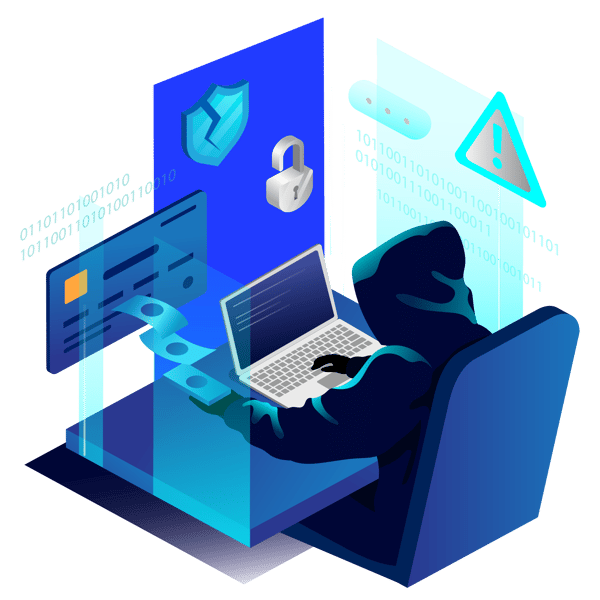


Remote control behavior
Mouse-driven interaction patterns on mobile and non-human movement signals suggest potential external control of the session.

Screen control indicators
Session behavior consistent with screen broadcast or remote viewing suggests third-party access.

Persistent access signals
Repeated presence of remote-access tooling within sessions indicates ongoing compromise.

Account Takeover Protection solution brief
See how behavioral intelligence detects coercion and remote-control activity inside a live banking session before a payment is completed.

Synthesized intelligence:
Unified Collection. Continuous Telemetry. Behavioral Sequencing. Predictive Analysis. Real-time Decisioning.
No vendor has ever deployed behavioral intelligence at the scale we've proven possible. We continuously analyze more user sessions (16 billion and counting), collect more signals (3,000 plus), deliver more trusted insights, and protect more digital banking customers (more than half a billion) than any other behavior-centric digital-fraud-prevention solution provider. And we do it in the context of their device, the applications they use, and their transactional tendencies to deliver a trusted and accurate signal for a frictionless and secure customer experience.

Request an Intelligence Briefing.
See how behavioral intelligence identifies stolen identities at the point of account opening, before they become a fraud or compliance problem.

Together, we can prevent fraud and financial crime.
Join our global advisors and fraud intelligence experts for a 30-minute deep dive into the latest tactics, techniques, and procedures (TTPs) now exploited by fraudsters in your country to scam your customers and harm your brand.