
Sweden’s financial regulator, Finansinspektionen, recently made clear it feels Swedish banks need to do a better job of protecting consumers against investment fraud. Swedes lose more than $140 million (SEK 1.5 billion) to investment fraud every year. Swedish police data from 2024 shows investment fraud ranked as the costliest fraud type in the country, growing by nearly 50% between 2022 and 2024.
This trend isn’t confined to Sweden or even Europe. In Italy, more than a quarter of all reported scams involved bogus online trading schemes. In the UK, investment fraud losses grew by 55% in the first half of 2025 compared to the same period the year before. In the U.S., the FTC estimates investment scams cost Americans $5.7 billion in 2024, a 24% increase from the year before.
And regulatory bodies all around the world have taken notice. In the UK, sending and receiving banks have shared liability for investment fraud losses since 2024. Across the EU, PSR regulation will soon offer additional consumer protection from scams. additional consumer protection from scams.
Investment fraud is different
As real-time payments (Swish, RIX-INST, and others) became the norm in Sweden, Swedish banks prioritized speed and convenience, removing friction in the name of user experience. This lowering of barriers also created new opportunities for criminals.
Banks responded by introducing blanket transaction delays, payment limits, and added approvals for various digital banking actions. Police data shows overall fraud losses then declined, dropping by 16% between 2023 and 2024.
And yet, investment fraud remained (and remains) stubbornly elusive. Investment fraudsters manipulate their victims over longer periods of time, social engineering them to willingly transfer funds and in some cases take out further loans after they exhaust their savings. Because these customers conduct these transactions themselves and do so while fully convinced they’re pursuing a legitimately lucrative and legal investment opportunity, their transactions appear genuine to their banks.
Traditional, rule-based controls fail to identify investment scams. Legacy solutions may slow down transactions, but they can’t reliably distinguish between legitimate customers making informed decisions and manipulated customers transacting under the influence of a scammer.
Finding the fraud
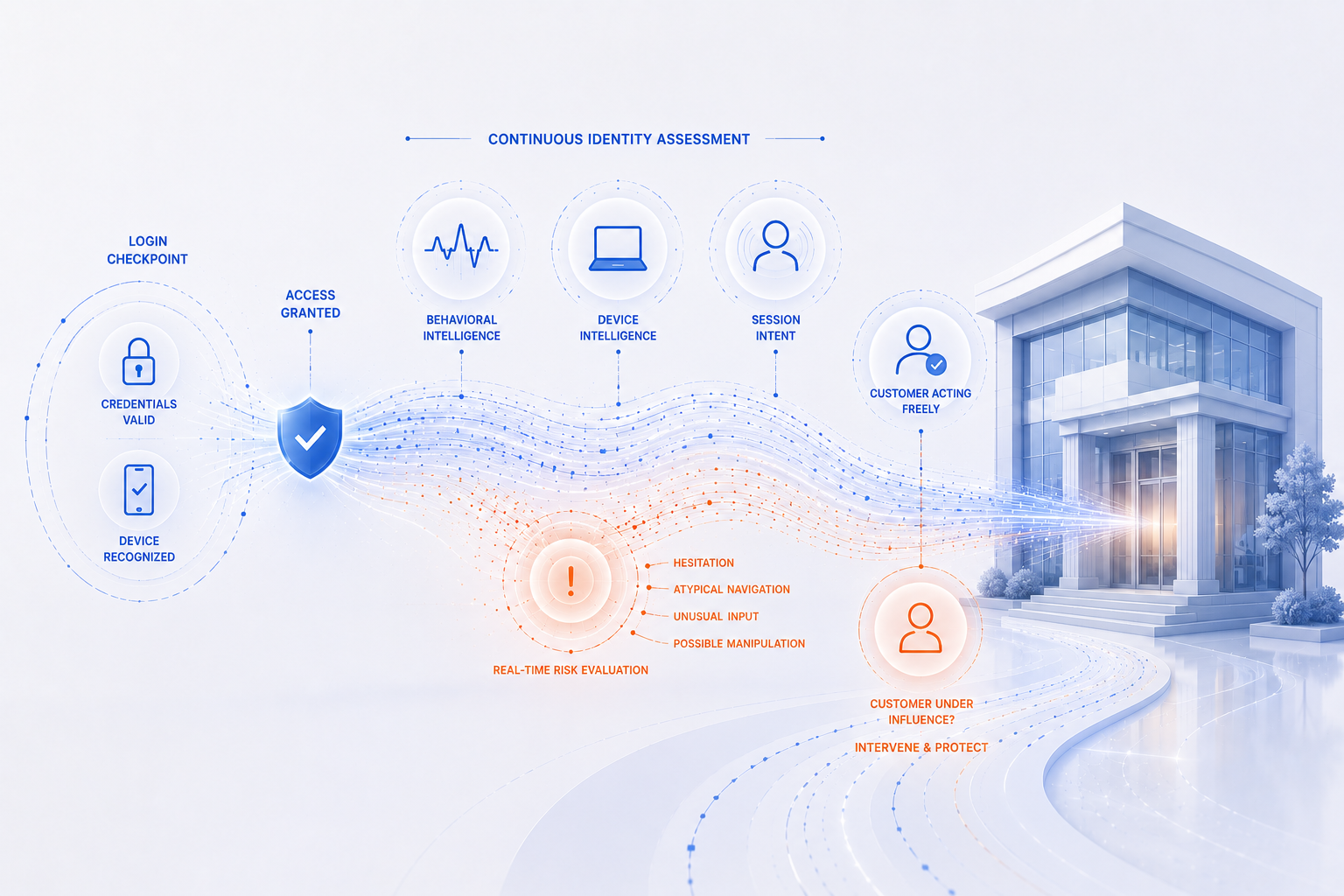
And yet, investment and other social engineering scams are not invisible to all tools. By analyzing patterns in user behavior, banks can identify in real time those sessions exhibiting all the hallmarks of a scam (investment scams included).
One major bank saw a 67% improvement in scam capture rate within its first month of deploying BioCatch’s Scams360 solution, successfully identifying more than 77% of attempted scams. In subsequent months, that scam capture rate improved further still, and the bank identified nearly 84% of attempted scams.
Behavioral intelligence goes beyond identifying risk based on the transaction alone, instead examining how a customer behaves. To stop investment scams, banks must identify the scam early, before potential victims fall under the scammer’s spell. At that stage, consumers remain somewhat skeptical, so fraudsters request only small transfers, which they then (falsely) show generating highly profitable returns.
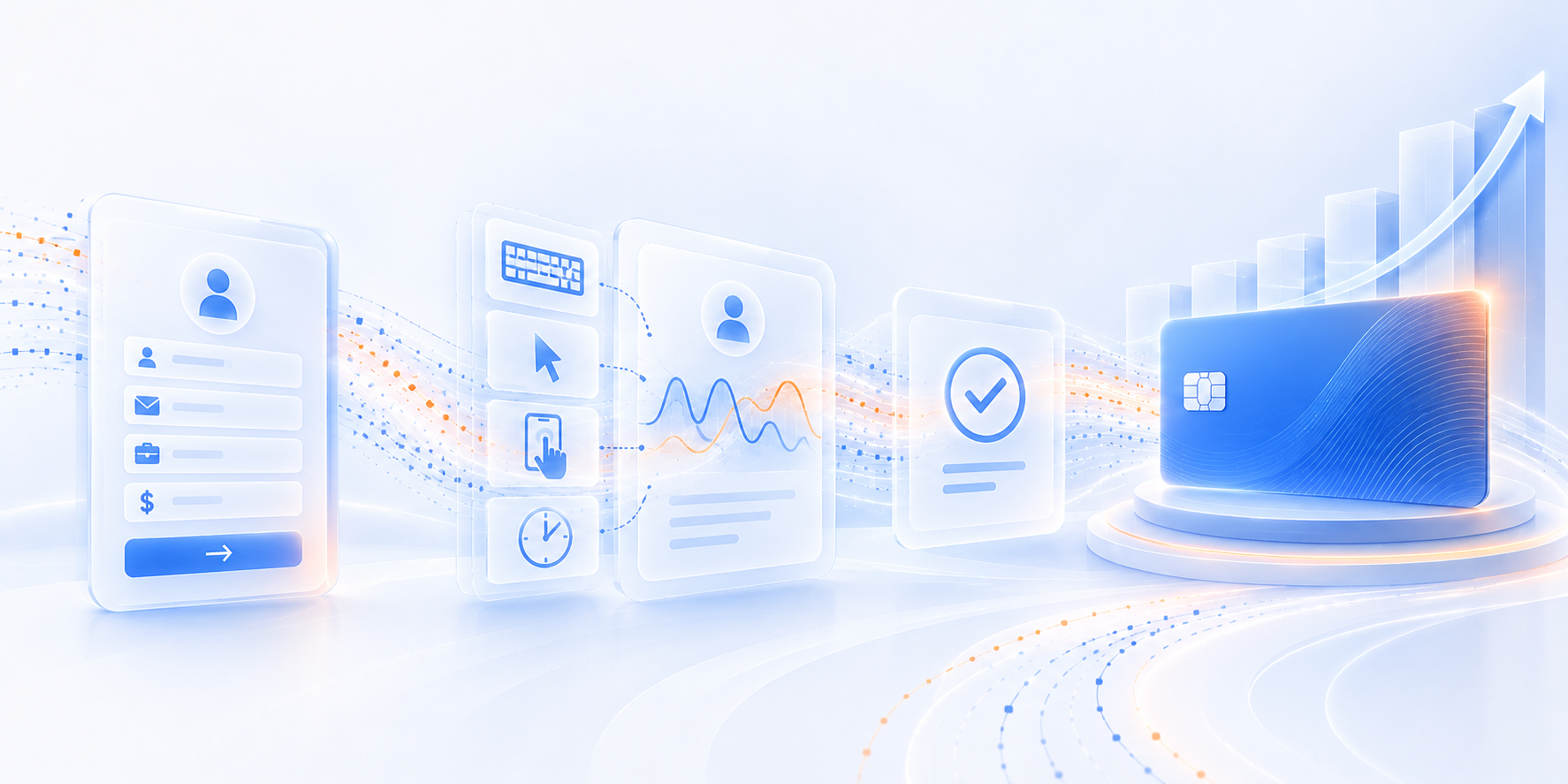
Behavioral intelligence allows banks to see whether their customers are engaged in active phone calls while interacting with their banking apps, whether and for how long they hesitate in making digital decisions compared to past legitimate sessions, whether they’ve granted remote access to another user, and much more. With this information, banks can make informed, highly accurate (among sessions Scams360 scored as the riskiest, one large bank detected better than 75% of investment scams, while alerting on just .8% of all monitored activity), immediate decisions about whether or not to intervene before any money leaves a would-be-victim’s account.
A precise solution
While effective against unauthorized fraud, those aforementioned transaction delays, payment limits, and added approvals Swedish banks implemented to respond to a spike in losses after instant payments went mainstream slow down transactions for all users — the majority of whom are legitimate customers posing no fraud risk at all.
Regulators acknowledge this tension. Banks must balance a streamlined digital experience with safeguards that help customers manage risk, without making everyday banking unnecessarily complex or frustrating.
Crucially, behavioral solutions apply the right amount of friction in a far more targeted fashion, identifying more fraud in real time with miniscule false-positive rates, while preserving (if not improving) the speed and ease consumers today both expect and demand.
While the industry has long feared that stronger controls might drive customers away, those worries have proved largely unfounded. An earlier post in this space, The hidden value of friction, explores how precisely targeted friction can actually decrease customer attrition by as much as 60%.
The worst thing a customer can experience is losing money when there’s no friction at all. A PYMNTS Intelligence report found 42% of those who fall victim to scams consider changing to a new bank, and 19% of those victims actually follow through with the switch.
Behavioral intelligence offers precisely targeted friction, allowing banks to meet regulatory expectations, more effectively protect their customers, and do both without getting in the way of what the customer wants to do.
That is how accurate fraud detection and a strong customer experience can coexist.
For further reading on the benefits of precisely applied friction, click here.
-
Key takeaways:
- Investment fraud is surging globally: Losses are rising rapidly across markets, with Sweden, the U.K., and the U.S. all reporting significant increases.
- Real-time payments have increased risk: Faster, frictionless payment systems have created new opportunities for fraudsters, especially in social engineering scams.
- Traditional controls fall short: Rule-based measures like delays and limits cannot reliably detect investment scams, where transactions appear legitimate.
- Behavioral intelligence enables earlier detection: By analyzing user behavior, banks can identify scams in real time and intervene before funds are lost.
- Targeted friction improves outcomes: Applying friction selectively helps stop fraud while preserving customer experience, reducing both losses and churn.
Resources:
- Dagens Nyheter: Swedish Financial Supervisory Authority increases focus on fraud
- The Guardian: Surge in UK savings lost to investment scams, with fake crypto thought to top the list
- Solution: Scams360
- Blog: The hidden value of friction
- Report: BioCatch report: 2025 Global Scams
- PYMNTS Intelligence: Financial Scams and Consumer Trust Report
BLOG: https://www.biocatch.com/blog/journey-through-brazils-regulatory-maze