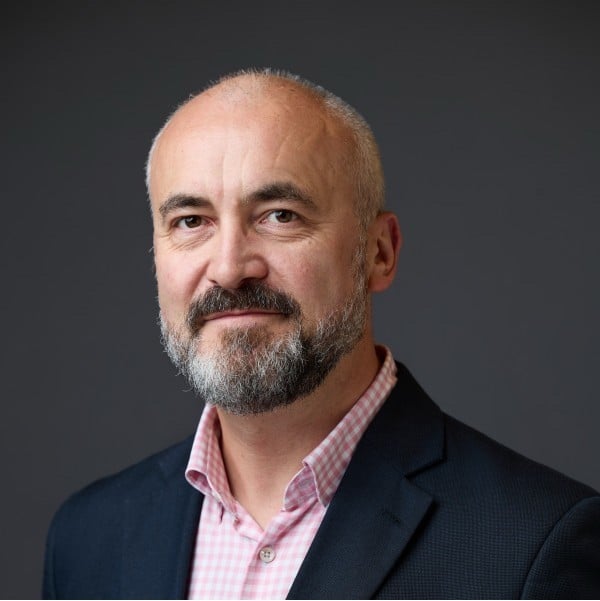

Banking, law enforcement, technology, and civil society leaders from more than 100 countries recently gathered in Vienna, Austria for the United Nations Office on Drugs and Crime’s (UNODC’s) Global Fraud Summit. My colleague Mathias Schollmeyer and I both attended the summit and presented at a couple of side events.
Perhaps the most significant outcome of the week was the launch of the UNODC-developed Global Public-Private Partnership Framework against Fraud, which aims to strengthen coordination among governments, law enforcement agencies, financial institutions, internet/telecommunications providers, and technology companies. By enhancing information sharing and coordinating responses, it aims to achieve a more effective global response to cross-border fraud networks.
BioCatch is proud to support this program of work.
As fraud grows more interconnected across digital services and payment systems, real-time intelligence sharing and intervention are essential. The framework provides a foundation by uniting organizations that hold the data, technology, and investigative capabilities to disrupt fraud ecosystems.
A concrete commitment
Beyond endorsing this framework, contributing to the summit’s agenda, leading a side session, sitting on a panel, and participating in discussions, BioCatch made a formal pledge at this UNODC event to support global fraud-prevention efforts.
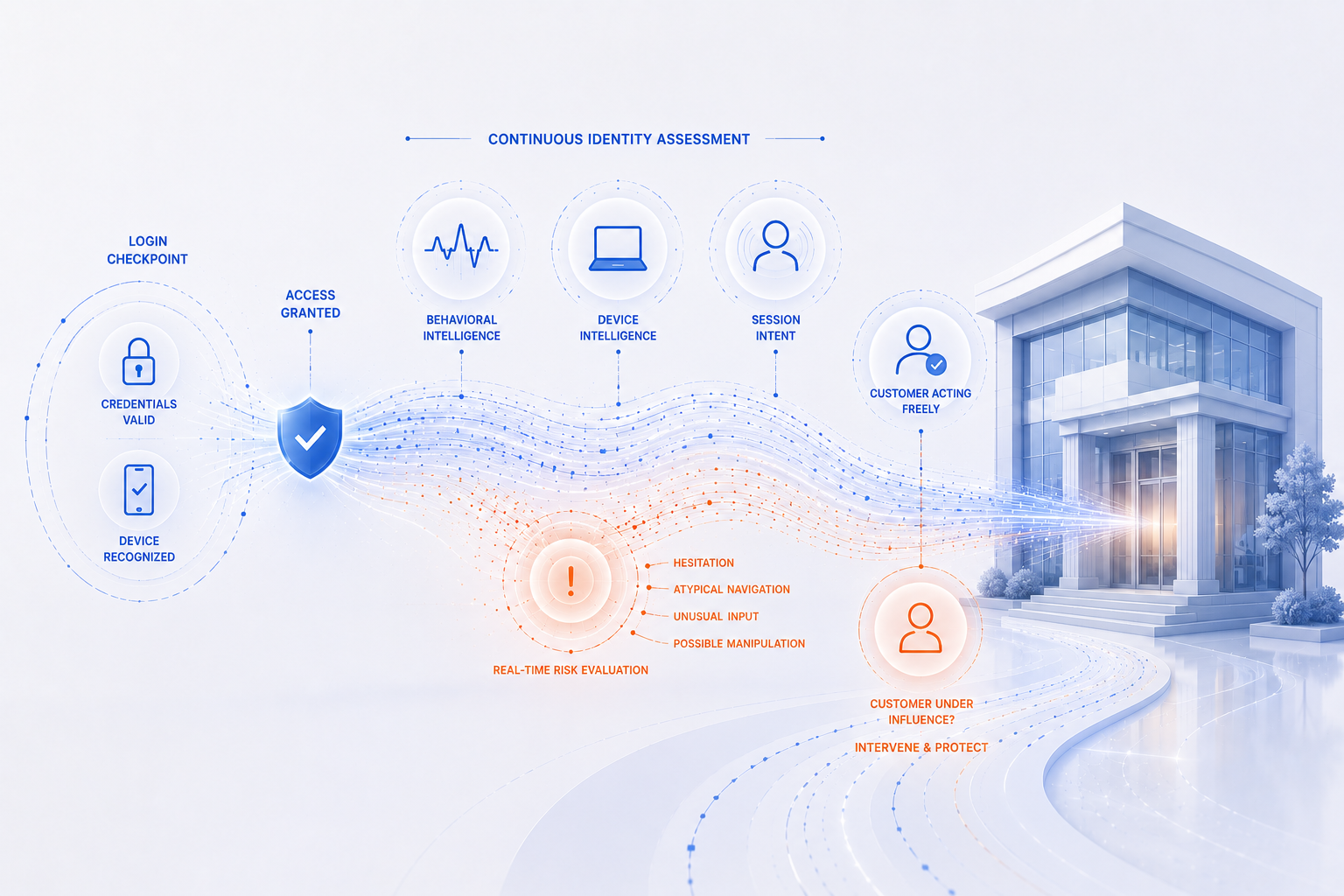
In response to UNODC’s call for concrete industry actions, we committed to expanding our real-time, behavior-based, fraud and financial crime intelligence-sharing network. First launched in Australia in November of 2024 and later in Argentina in May of 2025, BioCatch Trust protects member bank customers by assessing in real time the trustworthiness of the accounts to which they direct their transfers and payments.
In Q3 of 2025 alone, BioCatch Trust Australia analyzed more than 180 million total payments totaling more than $330 billion, revealing more than $60 million in attempted fraud. The network now protects more than 85% of Australia’s banked population.
Under the pledge, BioCatch will:
- Support at least two additional national Trust deployments.
- Introduce cross-border fraud detection use cases.
- Expand collaboration between banks, payment channels, internet platforms, telecommunications providers, and law enforcement agencies.
- Publish a transferable blueprint for national Trust initiatives in 2026.
Real-time payments have transformed the speed and convenience of financial transactions but also created new opportunities for fraudsters who exploit speed and scale to move illicit funds before detection. By enabling real-time intelligence sharing and coordinated responses, networks like BioCatch Trust can significantly reduce fraud losses and disrupt criminal activity across payment ecosystems.
Community-wide collaboration
The summit also provided BioCatch with an important opportunity to engage with stakeholders across the global fraud-prevention community.
During the event, BioCatch representatives met with leaders from financial institutions, payment organizations, banking associations, and law enforcement to discuss real-time payments risk, behavioral detection, and cross-sector collaboration opportunities. These conversations reinforced a key summit insight: As fraud methods continue to rapidly evolve, so too does a more unified, global commitment to combat them.
Governments, financial institutions, and technology companies increasingly recognize that fraud requires coordinated global action.
Looking ahead
Fraud has evolved into one of the most intricate and swiftly expanding forms of transnational crime. What was once considered a challenge for banks or individual consumers is now widely recognized as a global economic and security issue impacting governments, economies, businesses, and citizens alike.
This UN summit reinforced a clear message: Fraud no longer consists of a patchwork of isolated scams but is instead now a highly organized, industrialized global enterprise.
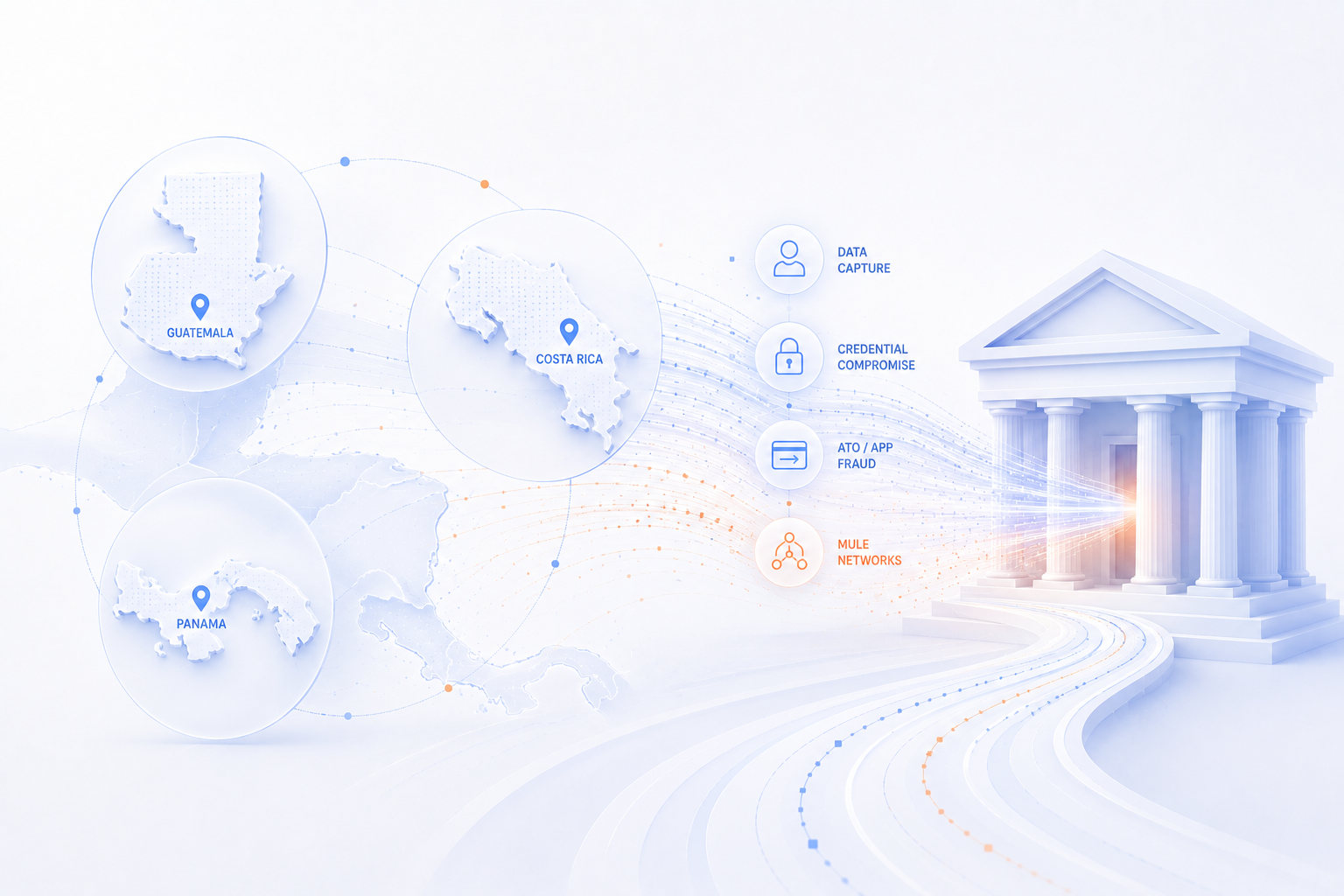
Insights from the summit aligned with the INTERPOL Global Financial Fraud Threat Assessment, highlighting the rapid growth of fraud-as-a-service ecosystems, large-scale scam centers, and increased use of artificial intelligence in social engineering attacks. Criminal groups now operate sophisticated fraud infrastructures that span multiple jurisdictions. These networks harness digital channels, telecommunications systems and financial payment rails to reach victims at unprecedented scale.
Nasdaq’s 2026 Global Financial Crime Report estimates $4.4 trillion passed through the global financial system in 2025 — a 42% increase from two years earlier.
The Global Fraud Summit marked a key step toward a stronger international response to fraud. By uniting policymakers, investigators, and industry leaders, the event highlighted both the challenge’s scale and the opportunity for collective action.
For us, the summit reaffirmed the criticality of collaboration, behavioral intelligence, and shared fraud-prevention infrastructure in combating modern financial crime. By supporting the UNODC Global Public-Private Partnership Framework and pledging to expand the BioCatch Trust network, we are making a practical contribution to the fight against fraud, helping financial institutions predict, detect, and disrupt it.
As fraud networks become more sophisticated, global in scope and criminals leverage agentic AI, cooperation will be the most effective tool we have to stop them.
The work started in Vienna is only the beginning.
Key takeaways:
- Fraud is now a global, industrialized threat: What was once seen as isolated scams has evolved into a sophisticated, cross-border criminal enterprise, with trillions flowing through the financial system and fraud-as-a-service models scaling attacks worldwide.
- Global momentum is building, but execution matters: The UN Global Fraud Summit marked a significant step toward a stronger international response, bringing together policymakers, investigators, and industry leaders to underscore both the scale of the challenge and the need for coordinated action.
- Collaboration is the cornerstone of effective defense: The UNODC Global Public-Private Partnership Framework underscores the need for coordinated action across governments, financial institutions, tech firms, and law enforcement to combat interconnected fraud networks.
- Real-time intelligence sharing is critical: As instant payments accelerate fraud speed and scale, sharing behavioral and transactional intelligence in real time is essential to detect and disrupt threats before funds are moved. In response to UNODC’s call for concrete industry actions, BioCatch pledged to expand its real-time, behavior-based, fraud and financial crime intelligence-sharing network, BioCatch Trust.
Resources:
- United Nations: Global Fraud Summit 2026
- United Nations Office on Drugs and Crimes: Call to Action on Combating Fraud
- Solution: BioCatch Trust™
- Report: 2025 Digital Banking Fraud Trends in Australia
- INTERPOL: Global Financial Fraud Threat Assessment
- Nasdaq: 2026 Global Financial Crime Report